Herbert P. Bix
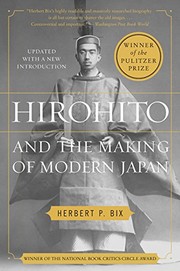
Herbert P. Bix stands as one of the most consequential biographers of the late twentieth century, having spent decades excavating the hidden complexities of twentieth-century Japanese history. His magnum opus, Hirohito and the Making of Modern Japan, became an instant landmark in historical scholarship upon its publication, earning the rare distinction of sweeping major awards across the field—winning both the Biography and Autobiography categories of the National Book Critics Circle Award in 2000, followed by the 2001 Pulitzer Prize for General Nonfiction. This unprecedented recognition underscores both the work’s meticulous research and its fundamental challenge to prevailing Western narratives about Japan’s wartime past.
Bix’s approach to biography transcends traditional chronological narrative, instead weaving together extensive archival research, oral histories, and intimate character study to examine how individual agency shapes and is shaped by historical forces. In Hirohito and the Making of Modern Japan, he meticulously reconstructs the private world and decision-making processes of Japan’s longest-reigning monarch, deliberately complicating the postwar mythology that had positioned Hirohito as a figurehead divorced from military aggression. Bix’s willingness to challenge established historical consensus—and to present uncomfortable truths about institutional complicity and personal responsibility—has made him an essential figure for anyone seeking to understand modern Japan’s trajectory and the role of biography itself in reckoning with contested history.