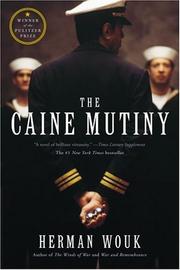
Herman Wouk
Herman Wouk stands as one of the most significant American novelists of the twentieth century, a writer whose sweeping historical narratives and meticulous character development have earned him a place among the nation’s most celebrated storytellers. His breakout masterpiece, The Caine Mutiny, captured the Pulitzer Prize for Fiction in 1952 and established Wouk as a major literary force, introducing readers to one of American literature’s most memorable courtroom dramas. The novel’s exploration of authority, morality, and the complexities of military command struck a chord with both critics and the reading public, solidifying his reputation as a novelist capable of blending compelling narrative with serious moral questioning.
Wouk’s distinctive approach to fiction—marked by accessible prose, intricate plotting, and a deep engagement with American identity and Jewish experience—would define a prolific career spanning decades. His ability to weave historical detail into intimate human stories made his work particularly resonant in the postwar era, when readers were grappling with questions of duty, justice, and national character. Beyond The Caine Mutiny, Wouk would go on to produce other substantial works that explored American life with similar narrative mastery, cementing his legacy as a novelist who took both his craft and his subjects with utmost seriousness.