Ian McEwan
Ian McEwan stands as one of contemporary literature’s most distinctive voices, a writer whose unflinching psychological insight and technical mastery have earned him recognition across the literary establishment’s most prestigious awards. His trajectory from provocative short-story writer to one of Britain’s most celebrated novelists showcases a consistent ability to excavate the moral complexities lurking beneath the surface of ordinary lives. Whether exploring the aftermath of trauma, the fragility of human relationships, or the weight of guilt and memory, McEwan’s prose moves with surgical precision, combining accessible narratives with genuinely unsettling depths.
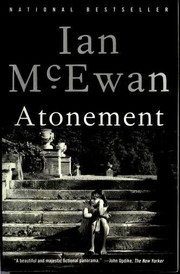
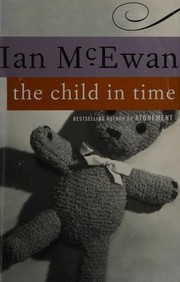
His award-winning works demonstrate the breadth of his appeal and influence. The Child in Time, which won the Costa Book Awards in 1987, established his ability to transform personal catastrophe into profound meditation on time and identity. Nearly a decade later, Amsterdam claimed the Booker Prize in 1998, a witty and devastating novel about two estranged friends whose lives intersect in unexpected ways. Perhaps his most celebrated achievement came with Atonement, which won the National Book Critics Circle Award for Fiction in 2002—a sweeping, meticulously constructed narrative about wartime secrets and the possibility of redemption through storytelling. The constellation of these awards reflects McEwan’s rare achievement: maintaining both critical acclaim and a devoted readership while continually experimenting with form and substance.