Isaac Asimov
Isaac Asimov stands as one of science fiction’s most prolific and influential architects, a writer who fundamentally shaped how we imagine technology, artificial intelligence, and humanity’s place in the cosmos. His career spanned decades of consistent innovation, beginning with his breakthrough work “Robbie,” which won the Hugo Award for Best Short Story in 1941 and introduced readers to the gentle androids that would populate his fiction. Asimov possessed a rare gift for making complex scientific concepts not just accessible but genuinely thrilling, grounding his speculative premises in rigorous logic while crafting stories that moved the heart alongside the mind.
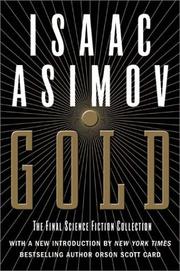
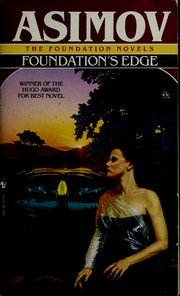
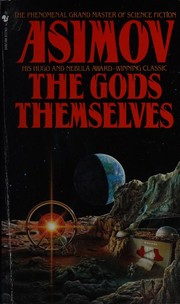
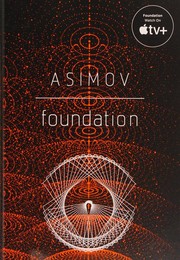
The breadth of Asimov’s award recognition speaks to his unusual versatility across the science fiction landscape. He achieved dual Hugo wins in 1946 for “The Mule,” which earned recognition in both the Best YA Book and Best Novel categories, while his sweeping Foundation series earned him accolades as a novelette in 1943. Later career peaks demonstrated his continued mastery: “The Gods Themselves” claimed both the 1972 Nebula Award and 1973 Hugo Award for Best Novel, while “The Bicentennial Man” became a career highlight, winning consecutive Hugo and Nebula Awards for Best Novelette in 1976 and 1977. Even in his later years, works like “Foundation’s Edge” (1983 Hugo and Locus Award winner) and “Gold” (1992 Hugo Award winner) proved his storytelling remained sharp and resonant.
What makes Asimov’s legacy particularly enduring is not merely the quantity of his awards but their consistency across decades—evidence of a writer whose imaginative vision deepened rather than diminished over time. His exploration of robotics ethics, galactic civilization, and the eternal tension between individual agency and historical inevitability established thematic territories that science fiction writers continue to inhabit today.