Isaac Bashevis Singer
Isaac Bashevis Singer stands as one of the most distinctive voices in twentieth-century literature, a writer who brought the rich, complex world of Eastern European Jewish life vividly onto the page. Writing primarily in Yiddish—a language he famously championed even as it faced extinction—Singer created narratives that blend the supernatural with the quotidian, weaving together folklore, psychology, and moral philosophy into stories of remarkable depth. His characters often grapple with the tensions between tradition and modernity, desire and duty, belief and skepticism, concerns that resonated across cultural boundaries and earned him a devoted international readership.
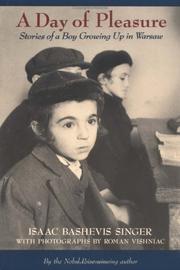
Singer’s literary achievements were recognized at the highest levels of the American literary establishment. His semi-autobiographical work A Day of Pleasure: Stories of a Boy Growing up in Warsaw won the National Book Award for Young People’s Literature in 1970, introducing new generations to his evocative portraits of Warsaw’s Jewish community in the early twentieth century. The collection captures the sensory details and moral lessons of Singer’s own childhood with a warmth and humor that made it accessible to younger readers without sacrificing the philosophical depth that defines his mature work.
Throughout his career, Singer maintained an unwavering commitment to Yiddish literature at a moment when few others shared his conviction in its enduring power. His stories—whether set in small Polish towns, New York tenements, or imagined realms—explore the mysteries of human nature with unflinching honesty and a touch of the marvelous, establishing him as a master of the form who bridge tradition and innovation.