J.K. Rowling
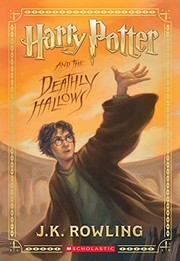
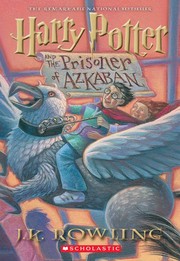
J.K. Rowling transformed children’s literature into a global phenomenon while simultaneously proving that books aimed at young readers could command serious critical attention and cross generations of devoted fans. Her Harry Potter series redefined what commercial success could look like in publishing, yet the accolades that followed validated the literary merit underlying the commercial machinery. Harry Potter and the Prisoner of Azkaban earned both the Costa Book Awards and the Locus Award for Best Fantasy Novel in consecutive years, establishing Rowling’s command of intricate plotting and atmospheric world-building. The series’ continued recognition by major award bodies only deepened—Harry Potter and the Goblet of Fire claimed the Hugo Award for Best Novel, and Harry Potter and the Deathly Hallows ultimately won the Nebula Award for Best Young Adult, cementing the final installment’s ambitious emotional and thematic scope.
What makes Rowling’s cross-award recognition particularly striking is how it bridges the gap between genre fiction, children’s literature, and mainstream literary culture at a time when such boundaries were more rigidly policed. Her work combines the imaginative architecture of high fantasy with genuine character development, exploring themes of mortality, prejudice, and the moral complexities of growing up. The magical world she constructed operates according to its own internal logic while serving as a vessel for very human stories about friendship, loss, and the struggle between good and expedient. This layered approach—accessible to young readers on one level while rewarding deeper analysis—explains why Rowling’s work resonated across the major science fiction, fantasy, and literature awards that typically occupy separate spheres.