J. R. R. Tolkien
J. R. R. Tolkien stands as the architect of modern fantasy literature, a philologist and Oxford scholar whose imaginative vision fundamentally transformed what the genre could be. His meticulous construction of Middle-earth—complete with its own languages, histories, and mythologies—created a secondary world so internally coherent that it has captivated readers for generations. Tolkien approached fantasy with an almost scientific rigor, treating his invented realms with the same scholarly precision he brought to his academic work in medieval literature and linguistics. This marriage of intellectual depth and imaginative scope set a new standard for the field, influencing virtually every fantasy writer who came after him.
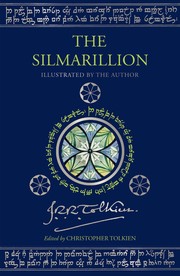
Though Tolkien’s The Lord of the Rings trilogy secured his cultural dominance during his lifetime, his earlier work The Silmarillion received perhaps his most pointed recognition from the fantasy community itself. When the book won the 1978 Locus Award for Best Fantasy Novel, it was a fitting acknowledgment that Tolkien’s ambitious mythology—first conceived in the trenches of World War I and painstakingly developed over decades—had earned its place among the genre’s finest achievements. The novel’s complex genealogies, historical sweeps, and tragic grandeur represent Tolkien’s most Miltonic ambition, a work that reads like sacred text in its scope and seriousness.
Tolkien’s influence extends far beyond his individual masterpieces. His insistence that fantasy was a legitimate literary form worthy of intellectual engagement, his integration of linguistic invention as a cornerstone of world-building, and his thematic preoccupations with loss, sacrifice, and the passage of time established templates that continue to resonate through contemporary literature.