Jack Vance
Jack Vance stands as one of science fiction and fantasy’s most inventive worldbuilders, a writer whose influence extends far beyond the genre’s core readership. His fiction is characterized by meticulous prose, baroque imagination, and an anthropologist’s eye for the peculiarities of imagined cultures. Whether crafting decadent far-future societies or enchanted realms, Vance populated his stories with obsessive characters pursuing elaborate schemes, their ambitions often thwarted by the very complexity of the worlds they inhabit. His distinctive narrative voice—urbane, witty, and deeply skeptical of human nature—set him apart from his contemporaries and continues to captivate readers who prize literary sophistication alongside imaginative adventure.
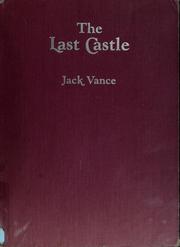
Vance’s major award recognition speaks to the sustained quality of his work across different phases of his prolific career. His novella The Last Castle achieved the rare distinction of winning both the Nebula Award for Best Novella and the Hugo Award for Best Novelette in consecutive years (1966-1967), a recognition that highlighted its exceptional appeal across the science fiction community. Later in his career, Madouc—his return to the magical world of Lyonesse—earned the World Fantasy Award for Best Novel in 1990, demonstrating his enduring command of fantasy literature when many assumed his most innovative work lay in the past. These awards underscore what devoted readers have long known: that Vance’s intricate plotting, linguistic inventiveness, and darkly comic sensibility represent some of the highest achievements in speculative fiction.