James Gould Cozzens
James Gould Cozzens stands as one of the more formidable—and uncompromising—American novelists of the twentieth century, a writer whose dense, intricate narratives demand as much from readers as his characters demand from themselves. His fiction is marked by a rigorously intellectual approach to moral complexity, exploring the tensions between personal conviction and institutional responsibility, between idealism and pragmatism. Cozzens had an almost anthropological eye for social hierarchies and professional milieus, whether examining the world of American jurisprudence or the inner workings of military bureaucracy. His prose style, often dense and architectural, resists easy accessibility but rewards careful attention with remarkable psychological insight.
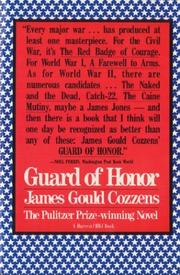
Cozzens’s masterpiece, Guard of Honor, secured his place in the American literary canon when it won the Pulitzer Prize for Fiction in 1949. Set over a single turbulent day at a Florida air base during World War II, the novel weaves together multiple perspectives and competing moral viewpoints to create a panoramic portrait of institutional life under pressure. Rather than celebrate wartime heroism, Cozzens examines how loyalty, duty, and self-interest collide within the rigid structures of military command, offering a portrait of American life that was simultaneously contemporary and timeless. The novel’s complexity and unflinching moral seriousness made it the defining achievement of his career, a work that continues to interest serious readers and literary critics alike.