Joanna Russ
Joanna Russ stands as one of science fiction’s most intellectually rigorous and politically uncompromising voices, a writer who wielded the genre’s speculative possibilities as instruments for examining gender, power, and the structures that constrain human potential. Her fiction refuses easy answers, instead presenting readers with worlds and characters that challenge fundamental assumptions about identity and society. Russ brought a philosopher’s precision to her storytelling, crafting narratives that function simultaneously as intimate character studies and sweeping explorations of what science fiction could accomplish as a form.
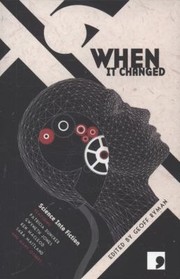
Her award recognition reflects the breadth of her influence across the field. Her short story “When It Changed” captured the 1972 Nebula Award, establishing her as a major talent in speculative fiction during a pivotal moment for feminist science fiction. Over a decade later, the 1983 Hugo Award for Best Novella honored “Souls,” demonstrating that her innovative approach to the form continued to resonate with readers and peers alike. What makes Russ’s dual recognition particularly significant is how it spans different scales of storytelling—from the concentrated impact of a short work to the expansive possibilities of a novella—showing her mastery across multiple narrative territories.
Beyond these major accolades, Russ’s influence extends through her essays and criticism, where she articulated a powerful argument for women’s central role in science fiction’s past and future. Her work remains essential reading for anyone seeking to understand how speculative fiction can be a vehicle for serious intellectual inquiry and radical imagination.