John Cheever
John Cheever stands as one of American literature’s most penetrating observers of suburban life and the private anxieties that simmer beneath its manicured surface. Often called “the Chekhov of the suburbs,” Cheever possessed an extraordinary gift for finding profound emotional truths in the everyday rituals of middle-class existence—the commute, the cocktail party, the backyard swimming pool. His work glimmers with dark comedy and melancholy grace, exposing the loneliness, infidelity, and spiritual hunger lurking behind the closed doors of seemingly perfect homes. Whether writing novels or the short stories that became his signature form, Cheever brought literary sophistication and psychological depth to the domestic sphere, elevating what might have seemed provincial subject matter into universal explorations of human desire and disappointment.
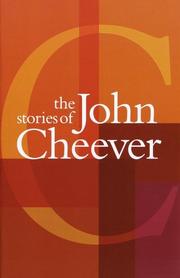
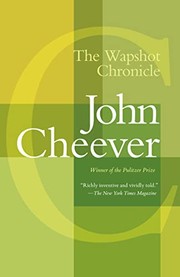
His major works earned him recognition at the highest levels of American letters. The Wapshot Chronicle, his sprawling family saga, won the National Book Award for Fiction in 1958, establishing him as a major literary force. Yet it was his short fiction that ultimately secured his legacy—The Stories of John Cheever, a collected volume that demonstrated the full range of his achievement, captured both the National Book Critics Circle Award and the Pulitzer Prize for Fiction in 1978 and 1979. This remarkable sweep of honors, coming late in his career, acknowledged what serious readers had long recognized: that Cheever’s ability to distill complex human experience into taut, perfectly calibrated narratives represented the short story form at its finest.