John Edgar Wideman
John Edgar Wideman stands as one of the most significant voices in American literature, a writer whose work excavates the complexities of Black identity, family, and community with unflinching emotional depth. His fiction operates on multiple registers simultaneously—intimate and expansive, lyrical and brutally honest—creating narratives that refuse easy answers while drawing readers into the lived experience of his characters. Wideman’s prose style is notably experimental; he layers voices, time periods, and perspectives in ways that mirror the fractured nature of memory and belonging, making each novel feel like an act of reconstruction as much as storytelling.
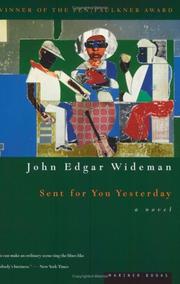
The scope of Wideman’s literary achievement is underscored by his two PEN/Faulkner Awards for Fiction, a distinction few writers achieve. His 1984 win for Sent for You Yesterday recognized his ability to weave together personal and collective histories into a tapestry that captures the soul of Pittsburgh’s Hill District across generations. Nearly a decade later, Philadelphia Fire claimed the same honor in 1991, cementing Wideman’s status as a major contemporary voice. That novel, rooted in the real 1985 bombing of the MOVE headquarters in Philadelphia, demonstrates his gift for transforming historical trauma into profound meditations on violence, resistance, and community breakdown.
Throughout his career, Wideman has remained deeply engaged with questions of representation and voice—both who gets to tell stories and how those stories are told. His work resists the comfortable narratives often imposed on African American literature, instead insisting on ambiguity, contradiction, and the messy reality of human connection. Whether writing about family bonds tested by incarceration, artists grappling with their legacy, or communities fighting for survival, Wideman brings a novelist’s attention to the particular alongside a philosopher’s concern for the universal.