John F. Kennedy
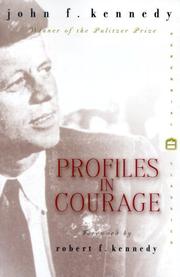
John F. Kennedy’s literary legacy rests on a single but enduring work: Profiles in Courage, the 1957 Pulitzer Prize winner for Biography that established him as a thoughtful observer of American political character. Published while Kennedy was serving as a U.S. Senator from Massachusetts, the book examines eight senators who defied party pressure to act on principle, from John Quincy Adams to Robert Taft. The work reflects Kennedy’s deep engagement with history and his conviction that moral courage remains the rarest and most valuable commodity in public life—a theme that would resonate throughout his own political career.
What distinguishes Profiles in Courage among Kennedy’s contemporaries is its intimate, almost reverential approach to political biography. Rather than scorecards of legislative achievement, Kennedy offers psychological portraits of men navigating the treacherous space between conscience and constituency. His prose is elegant without being ornate, analytical without being cold, bringing readers into the private deliberations of political figures facing moments of genuine moral stakes. The book’s Pulitzer recognition validated Kennedy’s ability to synthesize history, philosophy, and narrative into something both intellectually rigorous and widely accessible—qualities that would define his broader cultural influence.