John Hersey
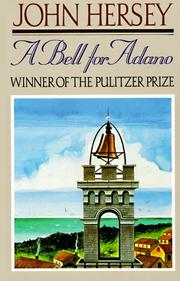
John Hersey stands as a towering figure in twentieth-century American letters, a writer who mastered the art of transforming historical moments into deeply human narratives. His 1945 Pulitzer Prize for Fiction for A Bell for Adano marked the beginning of a distinguished career that would see him grapple with war, survival, and the resilience of ordinary people facing extraordinary circumstances. The novel, set in a Sicilian town during World War II’s aftermath, demonstrated Hersey’s gift for finding redemptive stories within the rubble of global conflict—a gift that would define much of his subsequent work.
Hersey’s literary approach was characterized by meticulous research and a journalist’s eye for telling detail, qualities he honed through his early work as a correspondent. His prose was precise and unflinching, never sensationalizing the human dramas he chronicled but instead presenting them with a clarity that made readers witnesses rather than spectators. Whether examining the atomic bomb’s aftermath in Japan or the moral complexities of wartime decisions, Hersey brought the same commitment to understanding his subjects from the inside out, crafting narratives that felt both intimate and historically significant. His body of work established him as one of the essential chroniclers of mid-century American experience.