John Kennedy Toole
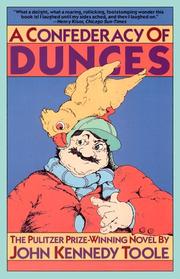
John Kennedy Toole remains one of American literature’s most poignant cases of posthumous recognition. Though he published sparingly during his lifetime and died by suicide in 1969, his masterwork A Confederacy of Dunces arrived like a delayed telegram from genius when his mother shepherded the manuscript toward publication more than a decade after his death. The novel’s 1981 Pulitzer Prize for Fiction vindicated her faith and introduced readers to one of the most unforgettable characters in American letters: Ignatius J. Reilly, the corpulent, erudite, and monumentally dysfunctional protagonist whose picaresque misadventures through New Orleans society remain hilarious and heartbreaking in equal measure.
Toole’s comic sensibility was uniquely his own—a blend of medieval scholasticism, vaudeville timing, and genuine pathos that he wielded with surgical precision. A Confederacy of Dunces is a novel that rewards rereading, layered with literary allusions, social satire, and a dark wisdom about the human capacity for self-deception. The Pulitzer recognition transformed Toole from an obscure footnote into a canonical figure, though his singular published novel means his legacy rests entirely on this one brilliant, bewildering creation. For readers who’ve encountered Ignatius Reilly, the novel’s baroque prose and philosophical despair prove unforgettable; for those who haven’t yet, his Pulitzer Prize serves as a golden invitation to one of contemporary fiction’s most eccentric and rewarding masterpieces.