Joshua Ferris
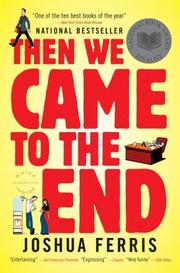
Joshua Ferris arrived on the literary scene with a debut that announced him as a writer of uncommon wit and structural ambition. Then We Came to the End, published in 2004, introduced readers to a Chicago advertising agency during the dot-com collapse, told largely through the collective voice of its employees. The novel’s innovative narrative approach—shifting between individual perspectives and a unified “we”—immediately signaled Ferris as someone willing to experiment with form without sacrificing emotional resonance. The book’s recognition with the PEN/Hemingway Award in 2008 cemented his arrival as a significant new talent in American fiction.
What distinguishes Ferris’s work is his ability to extract profound meaning from the mundane textures of contemporary life. His characters are often caught between ambition and disillusionment, grappling with work, faith, and the search for meaning in a secular age. Whether exploring the cubicle culture of corporate America or the intimate terrain of family relationships, Ferris writes with a keen ear for dialogue and an eye for the absurd dimensions of everyday experience. His prose oscillates between sharp comedy and genuine pathos, capturing the particular anxieties of modern existence while never losing sight of the universal human struggles beneath them.