Katherine Paterson
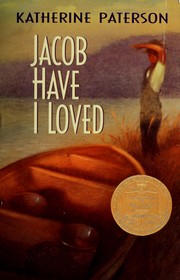
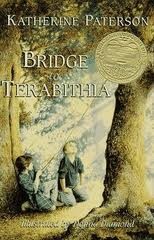
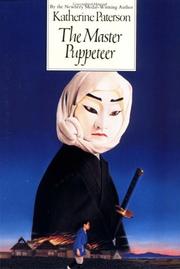
Katherine Paterson stands as one of the most decorated voices in children’s literature, a writer whose profound understanding of the adolescent heart has earned her the highest honors in the field. Her remarkable achievement of winning the Newbery Medal twice—first for Bridge to Terabithia in 1978 and again for Jacob Have I Loved in 1981—places her among an elite group of authors whose work has fundamentally shaped how we write for young readers. Yet Paterson’s dominance extends beyond any single award; her consecutive National Book Award wins for The Master Puppeteer in 1977 and The Great Gilly Hopkins in 1979 demonstrate a sustained brilliance that transcends the preferences of any single prize committee.
Paterson’s distinctive gift lies in her ability to create deeply human stories that treat childhood struggles with unflinching honesty and unexpected grace. Her narratives often pivot on moments of profound isolation and misunderstanding—a girl caught between warring sisters, a boy mourning a friendship lost to tragedy—yet she approaches these themes with such tenderness and insight that her books become transformative experiences rather than mere accounts of suffering. Drawing on her own experiences as the daughter of missionaries and a pastor’s wife, Paterson weaves questions of faith, belonging, and redemption throughout her work, creating stories that resonate across generations.
What makes Paterson’s cross-award recognition truly exceptional is the consistency of her vision. Whether recognized by the Newbery’s focus on literary excellence or the National Book Award’s emphasis on distinguished writing, Paterson’s novels demonstrate that children’s literature need not choose between artistic achievement and emotional truth. Her work has proven that the most powerful stories for young readers are those that refuse to condescend, that honor complexity, and that understand that growing up is both ordinary and extraordinary.