Kazuo Ishiguro
Kazuo Ishiguro stands as one of contemporary literature’s most quietly masterful storytellers, a writer whose measured prose and profound emotional depth have redefined what the novel can achieve. His work is characterized by an almost classical restraint—his narrators tend toward understatement, their interior lives revealed through what remains unspoken as much as what appears on the page. Ishiguro’s recurring preoccupation with memory, duty, and the gap between how we understand our lives and how they actually unfold gives his fiction an almost archaeological quality, as though he’s carefully excavating the buried truths beneath ordinary surfaces.
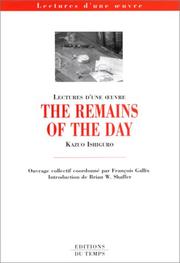
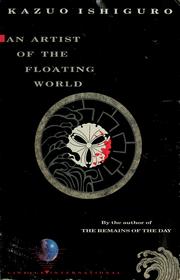
His breakthrough came with An Artist of the Floating World, which won the 1986 Costa Book Awards and announced a major literary voice. But it was The Remains of the Day that sealed his international reputation, claiming the Booker Prize in 1989 and becoming the novel for which he remains best known. The story of an English butler reflecting on his life of service is deceptively simple—a single journey, a handful of conversations—yet it functions as a profound meditation on complicity, regret, and the choices we make in the name of duty. This dual recognition across major awards showcased Ishiguro’s ability to craft narratives that satisfy both literary critics and general readers, a rare achievement that has only deepened with his subsequent work across multiple continents and centuries, culminating in his 2017 Nobel Prize in Literature.