Kiese Laymon
Kiese Laymon has emerged as one of contemporary American literature’s most vital voices, a writer whose work cuts through cultural noise with unflinching honesty and lyrical precision. His essays and fiction are characterized by an urgent, conversational style that makes readers feel addressed directly—as though Laymon is sitting across from you, working through America’s contradictions in real time. His recurring preoccupations with race, masculinity, family, and the weight of living in a Black body in America give his work both moral urgency and deeply personal resonance.
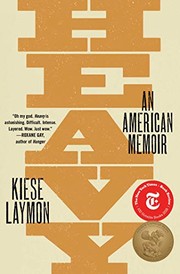
Laymon’s 2019 Carnegie Medal win for Heavy: An American Memoir confirmed what careful readers already knew: he is a transformative prose stylist working at the intersection of personal narrative and social critique. The memoir, which traces his lifelong struggle with food, family, and self-acceptance, became a defining work of contemporary Black nonfiction—one that refuses easy answers while maintaining remarkable tenderness toward his subjects, especially his mother. The Carnegie recognition placed him among nonfiction’s finest practitioners, validating his distinctive approach to memoir as both intimate reckoning and cultural diagnosis. Laymon’s cross-genre excellence, evident in his essays, novels, and teaching, has made him an essential figure for understanding how contemporary American writers grapple with identity, complicity, and the possibility of change.