Lanford Wilson
Lanford Wilson stands as one of American theater’s most perceptive chroniclers of small-town life and the quiet desperation that lurks beneath domestic surfaces. His work emerged during a pivotal moment in American drama, when playwrights were beginning to challenge the well-made play in favor of more experimental, character-driven narratives. Wilson’s distinctive voice—marked by naturalistic dialogue that captures the rhythms of everyday speech while hinting at deeper emotional currents—helped reshape what stories theater could tell and how intimately audiences could know its characters.
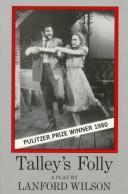
Wilson’s 1980 Pulitzer Prize for Drama, awarded for Talley’s Folly, represents the pinnacle of recognition for a playwright whose career was defined by his commitment to exploring the interior lives of ordinary Americans. Set in a boathouse on the Fourth of July, Talley’s Folly is deceptively simple on the surface: an aging salesman returns to his small Missouri hometown to win back the woman he once loved. Yet the play operates as a masterclass in theatrical restraint, where Wilson’s gift for dialogue and his ability to excavate meaning from seemingly mundane moments create something both tender and devastating. The Pulitzer acknowledged what audiences and critics had come to appreciate about Wilson’s body of work—his rare capacity to find profound human truth in the lives of people often deemed unworthy of serious theatrical attention.