Laurel Thatcher Ulrich
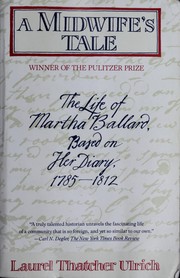
Laurel Thatcher Ulrich fundamentally changed how historians approach the lives of ordinary people, particularly women whose stories were often overlooked in traditional historical narratives. Her groundbreaking work A Midwife’s Tale demonstrates her gift for excavating the profound from the fragmentary—in this case, transforming the diary of Martha Ballard, an eighteenth-century midwife from Maine, into a richly textured portrait of colonial life that reveals the quiet authority women wielded in their communities. The book’s success wasn’t merely academic; it reached beyond the history seminar to captivate general readers who discovered in Ulrich’s pages a world they hadn’t known they were missing.
When A Midwife’s Tale won the Pulitzer Prize for History in 1991, it marked a watershed moment for women’s history and microhistory as legitimate and vital fields of inquiry. Ulrich’s meticulous scholarship and narrative flair proved that reconstructing the experiences of people without grand political power could be just as compelling—and just as historically significant—as traditional political history. Her work has since become foundational to how scholars understand gender, labor, and community in early America, while her elegant writing style has made her a model for historians seeking to reach readers beyond the academy.