Leonard Weisgard
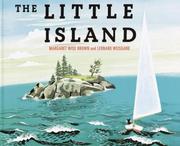
Leonard Weisgard stands as a transformative figure in American children’s literature, a pioneering illustrator whose delicate watercolors and imaginative vision shaped the golden age of picture books. His 1947 Caldecott Medal-winning The Little Island, written by Golden MacDonald, exemplifies his distinctive approach to illustrated storytelling—one that combines poetic sensibility with meticulous attention to natural detail. In this slim but resonant tale of a small island and its seasonal transformations, Weisgard’s luminous artwork elevates what might have been a simple nature story into something approaching allegory, inviting readers both young and old to contemplate isolation, connection, and the cycles of existence.
Weisgard’s artistic philosophy centered on the belief that children deserved illustration of the highest caliber, and he consistently refused to condescend to his young audience. His work appears deceptively simple—spare compositions, restrained color palettes, and clean lines—yet each illustration reveals careful composition and emotional depth. Beyond The Little Island, Weisgard illustrated dozens of beloved picture books across a long career, earning him recognition as one of the defining artistic voices of mid-century children’s literature. His Caldecott win validated what many editors and readers already knew: that picture books need not choose between artistic integrity and genuine appeal to children. Weisgard proved that beauty and accessibility could exist in perfect harmony.