Lewis B. Puller
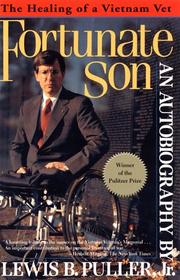
Lewis B. Puller stands as one of the most compelling voices to emerge from the Vietnam War generation, a writer whose unflinching honesty about trauma and redemption has left an indelible mark on American letters. A decorated Marine officer whose combat service in Vietnam left him severely wounded—losing both legs and most of his fingers—Puller transformed his personal devastation into literature of extraordinary power. His memoir Fortunate Son: The Healing of a Vietnam Vet captured the Pulitzer Prize for Biography in 1992, a testament to the book’s raw authenticity and its profound exploration of physical disability, psychological recovery, and the long road toward self-forgiveness.
What makes Puller’s achievement particularly noteworthy is how Fortunate Son transcends the limitations of combat memoir to become a deeply human meditation on survival itself. The title’s paradoxical irony—calling himself “fortunate” despite unimaginable loss—reflects the book’s central tension: the struggle between despair and the stubborn determination to reclaim a meaningful life. Puller’s narrative refuses easy uplift or sentimentality, instead offering readers the messy, complicated reality of healing, marked by professional struggles, failed relationships, and the ongoing battle with depression and substance abuse. His willingness to confront his own darkness while pursuing possibility earned Fortunate Son recognition as a landmark work in both war literature and disability narratives, cementing Puller’s legacy as a writer of rare moral courage.