Lionel Shriver
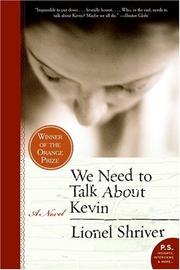
Lionel Shriver has built a reputation as one of contemporary fiction’s most fearless explorers of family dysfunction, violence, and the stories we tell ourselves to survive. Her 2005 novel We Need to Talk About Kevin won the Women’s Prize for Fiction and cemented her status as a writer willing to venture into the darkest corners of human experience—in this case, a mother’s relationship with her teenage son and the horrifying act he commits. The novel’s unflinching portrayal of maternal ambivalence and psychological damage struck a chord with readers and critics alike, earning comparisons to the work’s transgressive honesty rather than its comfort.
What distinguishes Shriver’s writing is her ability to pair moral complexity with propulsive narratives that keep readers turning pages even as they squirm in their seats. Her characters rarely offer easy sympathy or redemption; instead, they grapple with selfishness, regret, and the painful recognition that good intentions can produce devastating consequences. Beyond We Need to Talk About Kevin, she’s published a string of psychologically astute novels that explore the fault lines in relationships—whether between spouses, parents and children, or nations locked in conflict. Her recognition at the Women’s Prize highlighted not just the power of one book but the arrival of a major literary voice unafraid to challenge readers’ assumptions about villainy, victimhood, and the stories we inherit.