Louise Glück
Louise Glück stands as one of contemporary American literature’s most rigorously intellectual voices, a poet whose sparse, penetrating language strips experience down to its essential truths. Her work gravitates toward mythological and domestic landscapes where the personal becomes universal—gardens, marriages, family bonds, and classical narratives serve as her primary terrain. What emerges is poetry of profound psychological insight, often minimal in surface detail yet dense with implication, exploring themes of loss, desire, transformation, and the ways we construct meaning from silence and absence.
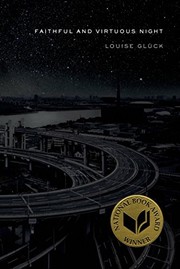
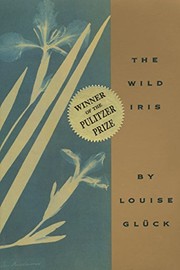
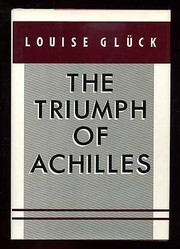
Glück’s formal recognition across multiple decades underscores her sustained importance in American letters. Her 1985 National Book Critics Circle Award for The Triumph of Achilles established her as a major poetic talent, a recognition deepened when The Wild Iris won the Pulitzer Prize for Poetry in 1993. That collection, built around the voice of a garden and its flowers, represents her most celebrated work—a slim volume of devastating clarity that somehow encompasses questions of faith, mortality, and rebirth. Nearly two decades later, her 2014 National Book Award for Faithful and Virtuous Night proved that her distinctive vision had only deepened, not diminished, demonstrating that Glück’s innovations in form and voice continue to resonate with both critics and readers seeking poetry of uncompromising intelligence and emotional precision.