Margaret Atwood
Margaret Atwood stands as one of the most influential literary voices of our time, commanding equal respect across the science fiction, historical fiction, and literary establishment alike. Her work is defined by a fearless examination of power dynamics—particularly the ways gender, politics, and history intersect—coupled with her distinctive ability to blend speculative elements with rigorous prose. Whether writing about dystopian futures or the intimate recesses of human memory, Atwood creates worlds that feel simultaneously urgent and timeless, populated by characters whose psychological complexity refuses easy judgment.
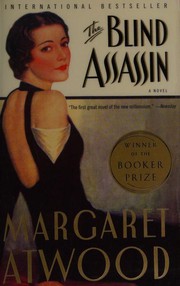
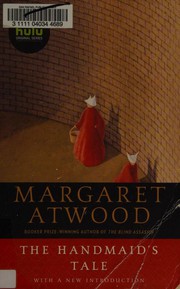
Her award recognition across multiple decades and genres underscores her rare achievement: The Handmaid’s Tale earned the Arthur C. Clarke Award in 1987, establishing her as a major voice in speculative fiction decades before the novel’s recent cultural renaissance. Her breakthrough on the prestigious Giller Prize came with Alias Grace in 1996, followed by her first Booker Prize win in 2000 for The Blind Assassin, a novel that exemplifies her mastery of narrative structure and unreliable narration. Most recently, she claimed a second Booker Prize in 2019 for The Testaments, making her one of only a handful of authors to win the award twice—a distinction that speaks both to her sustained excellence and her refusal to repeat herself across more than thirty years of major literary recognition.