Marjorie Kinnan Rawlings
Marjorie Kinnan Rawlings occupies a singular place in American literature—a writer who brought the raw authenticity of rural Florida to national prominence during an era when regional literature was often dismissed as provincial. After years of writing short fiction and poetry, Rawlings found her voice in the scrubland and hammocks of central Florida, where she relocated in 1928 and began mining the lives of her backwoods neighbors for material. Her distinctive style blended unflinching realism with deep compassion, capturing the dialect and cadences of isolated communities with an anthropologist’s precision but a novelist’s warmth. The landscape itself became almost a character in her work—stark, unforgiving, and deeply affecting.
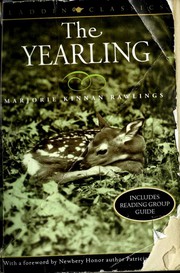
Rawlings’s reputation reached its apex with The Yearling in 1938, the coming-of-age story of Jody Baxter and his fawn, which won the Pulitzer Prize for Novel in 1939. The book’s success vindicated her artistic gamble: that stories rooted in the lives of poor, rural Floridians—previously overlooked by mainstream literature—contained universal truths about loss, belonging, and the painful transition from childhood to adulthood. The novel’s enduring power lies not in its setting but in Rawlings’s ability to transform a boy’s relationship with a young deer into a meditation on the human condition. Her Pulitzer recognition secured her place as one of the most important literary voices of the twentieth century, proving that authenticity and emotional depth could emerge from any corner of America, no matter how humble or remote.