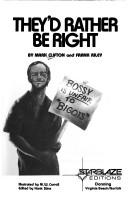
Mark Clifton and Frank Riley
Mark Clifton and Frank Riley stand as early architects of science fiction’s golden age, crafting stories that married technological speculation with deeply human concerns. Their 1955 collaboration They’d Rather Be Right captured the Hugo Award for Best Novel, a recognition that cemented their place in the genre’s emerging canon. The win was particularly significant in the award’s young history, demonstrating that the science fiction community valued not just the spectacular or the mechanically clever, but narratives that grappled with the social implications of innovation.
They’d Rather Be Right introduced readers to a world where artificial intelligence challenged fundamental assumptions about human nature, work, and fulfillment. Rather than the dystopian technophobia that would come to dominate much of the era, Clifton and Riley’s novel embraced a more nuanced vision—one where the future’s greatest conflicts might not be between humans and machines, but between human beings grappling with what technological advancement actually meant for their lives. This philosophical approach, combined with their accessible storytelling, helped establish a template for science fiction that entertained while exploring serious questions about progress and purpose. Their Hugo win recognized work that transcended the pulp origins of the genre, pointing toward science fiction’s potential as a vehicle for meaningful social commentary.