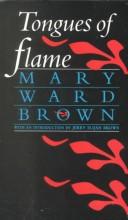
Mary Ward Brown
Mary Ward Brown emerged onto the literary stage as a master of the quietly devastating story, earning the 1987 PEN/Hemingway Award for her debut novel Tongues of Flame. The recognition was particularly fitting for a writer whose work carries echoes of Hemingway’s own preoccupation with unspoken emotion and the gaps between what characters say and what they truly feel. Brown’s fiction inhabits the interior lives of ordinary people—often in the American South—where small moments accumulate into profound revelations about love, loss, and the compromises that define a life.
What distinguishes Brown’s literary voice is her ability to mine rich emotional complexity from deceptively simple scenarios. Her characters navigate the constraints of family obligation, faith, and social expectation with a kind of dignified restraint that feels achingly human. Rather than relying on dramatic gestures, Brown trusts her readers to perceive the significance in a lingering glance, an unfinished sentence, or the choice to speak or remain silent. This restraint, combined with her precise ear for dialogue and her deep understanding of regional character, has secured her place among American writers who refuse sentimentality while never losing sight of their characters’ fundamental humanity.