Maurice Sendak
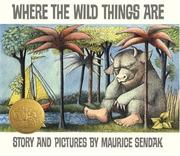
Maurice Sendak fundamentally transformed children’s literature by treating childhood as a subject worthy of genuine artistic and emotional depth. His illustrations—characterized by intricate crosshatching, expressive figures, and a willingness to embrace the darker corners of childhood imagination—established a visual language that influenced generations of picture book artists. Where the Wild Things Are, which earned the Caldecott Medal in 1964, became the defining achievement of his career: a deceptively simple narrative about a boy named Max that captures the complex emotional landscape of anger, escape, and the reassuring constancy of home. The book’s revolutionary success lay in Sendak’s refusal to sanitize children’s feelings or dismiss their inner lives as trivial.
Throughout his prolific career, Sendak’s work was marked by recurring themes of displacement, imagination as refuge, and the bittersweet passage between childhood and adulthood. He drew inspiration from his own childhood experiences growing up in Brooklyn, particularly the anxiety and wonder of Jewish immigrant family life, channeling these personal sensibilities into narratives that resonated universally. His distinctive vision—blending European artistic traditions with American sensibilities—made him not just an illustrator but a serious literary artist whose picture books demanded to be taken as seriously as any novel. Sendak’s legacy extends far beyond the awards and accolades; he opened a door for children’s literature to be recognized as an essential art form capable of genuine emotional truth.