Maxine Hong Kingston
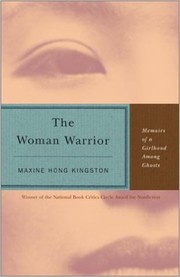
Maxine Hong Kingston stands as a transformative figure in American literature, a writer whose groundbreaking work fundamentally expanded how the literary canon understands memoir, identity, and the immigrant experience. Her 1976 National Book Critics Circle Award for The Woman Warrior: Memoirs of a Girlhood among Ghosts marked a watershed moment—not only for Kingston herself, but for Asian American literature as a whole. The book’s innovative fusion of autobiography, mythology, and cultural storytelling introduced mainstream American readers to a voice that refused conventional boundaries between fact and imagination, between Chinese folk tradition and contemporary American girlhood.
The Woman Warrior remains a seminal work precisely because Kingston created a new literary form for exploring what it means to navigate between two worlds. The memoir, which draws on her mother’s “talk stories” about female warriors and family history, challenged readers to understand how Chinese American identity is constructed through narrative layers and ancestral echoes. Kingston’s distinctive style—lyrical, defiant, and deeply introspective—established her as a writer uninterested in neat categorization or simple answers about belonging and authenticity.
Throughout her career, Kingston has continued to interrogate the relationship between personal and collective memory, between the self and inherited culture. Her ability to weave together philosophical depth with narrative accessibility, alongside her groundbreaking contributions to Asian American letters, has secured her place among the most significant American writers of the past fifty years. The Woman Warrior remains a touchstone text, one that generations of readers have turned to for both its literary brilliance and its profound meditation on what it means to claim one’s own story.