Michael Chabon
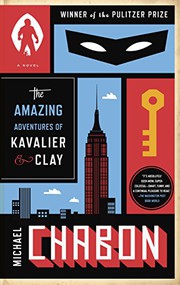
Michael Chabon stands as one of the most inventive voices in contemporary American fiction, a writer who gleefully demolishes the boundaries between literary prestige and genre storytelling. His breakthrough novel, The Amazing Adventures of Kavalier & Clay, earned him the 2001 Pulitzer Prize for Fiction, cementing his arrival as a major literary talent while telling the exuberant story of two Jewish cousins navigating the Golden Age of comic books in 1940s New York. But Chabon’s greatest achievement may be his refusal to stay in one lane, a quality that becomes immediately apparent when examining his award trajectory across both literary and speculative fiction circles.
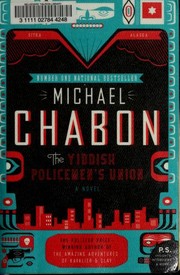
His masterwork The Yiddish Policeman’s Union stands as a remarkable cross-genre phenomenon, securing recognition from the science fiction establishment that few literary novels achieve. The novel won the Nebula Award for Best Novel in 2007, followed by the Hugo Award in 2008 and the Locus Award for Best Science Fiction Novel that same year—an unprecedented sweep that speaks to its power as both a formally ambitious alternate history and a compelling literary mystery. In Chabon’s hands, the detective noir tradition becomes a vehicle for exploring Jewish identity, political displacement, and the seductive appeal of utopian dreams, all set in a fictional Alaskan settlement that never actually existed.
What makes Chabon’s body of work so distinctive is his combination of meticulous craftsmanship with unbridled imagination. Whether he’s writing about comic book creators, secret agents, or displaced chess prodigies, he brings the same literary seriousness and narrative verve to every project, treating genre tropes with respect while simultaneously subverting them. His consistent recognition across different awards communities reflects a rare achievement: he has proven that genre fiction and literary fiction aren’t opposing forces but rather different tools for exploring the same fundamental human truths.