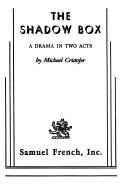
Michael Cristofer
Michael Cristofer emerged as a major force in American drama with his penetrating examination of human vulnerability and connection. His play The Shadow Box, which won the Pulitzer Prize for Drama in 1977, stands as a landmark work of intimate theater that refuses easy answers about mortality, family, and what we leave behind. The play’s triumph at the Pulitzers cemented Cristofer’s reputation as a playwright capable of tackling life’s most difficult subjects with both intellectual rigor and genuine emotional depth.
The Shadow Box unfolds across three interlocking stories of people confronting terminal illness, each narrative offering a different prism through which to examine how we face our final days and how those closest to us respond to impending loss. Cristofer’s gift lies in his ability to extract profound humanity from ordinary moments—conversations between spouses, a parent and child, two patients sharing a hospital room—without ever resorting to sentimentality. His work demands that audiences sit with discomfort, that they acknowledge the messy, complicated ways people actually grieve and love when time is running out.
Beyond his Pulitzer-winning achievement, Cristofer has remained a vital voice in American drama and beyond, bringing the same unflinching attention to character and consequence that made The Shadow Box resonate with critics and audiences alike. His career exemplifies how serious theatrical work can achieve both critical recognition and genuine popular engagement, proving that complex explorations of the human condition need not retreat to the margins.