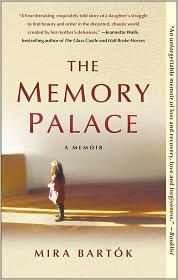
Mira Bartók
Mira Bartók occupies a singular position in contemporary memoir, having transformed a devastating personal history into a profound meditation on memory, identity, and the possibility of healing. Her 2011 National Book Critics Circle Award-winning autobiography, The Memory Palace, stands as a masterwork of the genre—a harrowing yet beautifully constructed account of her estrangement from her mother, a woman suffering from severe mental illness, and Bartók’s own struggle to reclaim her life after years of homelessness and trauma. The book’s title references both the classical mnemonic technique and the psychological architecture Bartók had to build to survive and eventually thrive, making it far more than a case study in dysfunction; it’s a testament to resilience and the redemptive power of storytelling.
What distinguishes Bartók’s voice is her refusal to sentimentalize or oversimplify her experience. She writes with unflinching honesty about her mother’s illness and its consequences, yet maintains a remarkable compassion for all parties involved in her story. Her exploration of how we remember—and misremember—what has wounded us cuts to the heart of what makes memoir matter in the first place. The National Book Critics Circle’s recognition of The Memory Palace affirmed what readers had already discovered: that Bartók’s particular brand of vulnerability and intelligence speaks to something universal about the human capacity to endure and transform pain into art. Her work has redefined what autobiographical writing can achieve when crafted with both intellectual rigor and emotional depth.