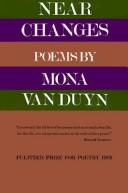
Mona Van Duyn
Mona Van Duyn has carved out a singular place in American poetry through her unflinching attention to the textures of everyday life and her formal sophistication. Her work treats domestic scenes, marriages, and the small revelations of ordinary moments with the seriousness and craft usually reserved for grand historical or mythological subjects. This democratization of subject matter, paired with her technical mastery and wit, has made her one of the most respected voices in postwar American poetry. Van Duyn’s influence extends across generations of poets who learned from her that the personal could be genuinely philosophical.
Her major award recognition arrived at significant moments in her career. She won the National Book Award for Poetry in 1971 for To See, to Take: Poems, a collection that demonstrated her ability to blend accessibility with intellectual depth. Two decades later, in 1991, the Pulitzer Prize for Poetry recognized Near Changes, cementing her status as a major American poet. The span between these awards—and the sustained quality they represent—reflects Van Duyn’s commitment to her craft and her ability to evolve while remaining true to her essential vision. Her dual recognition at poetry’s highest levels speaks to the enduring power of a body of work that finds profundity in the close observation of human connection and the architectures of love.