Neal Stephenson
Neal Stephenson has established himself as one of science fiction’s most intellectually ambitious voices, crafting dense, meticulously researched narratives that fuse hard science, history, and philosophy into sprawling technological epics. His work consistently explores how ideas, information, and innovation shape civilization, whether through nanotechnology, cryptography, or the intellectual foundations of the modern world. Stephenson’s willingness to burden his readers with genuine complexity—technical minutiae, historical tangents, and philosophical digressions—has become his signature, earning him a devoted readership of those willing to engage with science fiction as serious intellectual work.
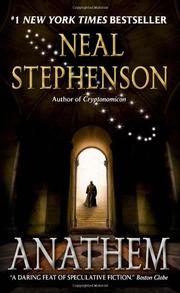
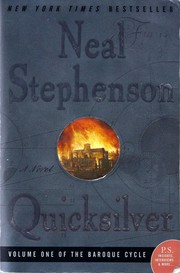
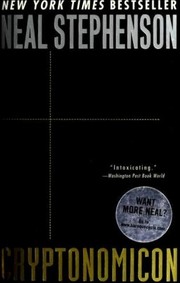
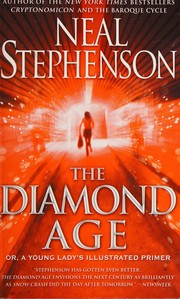
His award record demonstrates the breadth and staying power of his influence across the science fiction community. The Diamond Age earned both the 1996 Hugo Award for Best Novel and the Locus Award the same year, establishing Stephenson as a major force early in his career. But rather than fade, his recognition has only deepened: Cryptonomicon claimed the Locus Award in 2000, the ambitious historical saga The Baroque Cycle won the 2005 Locus Award, and Anathem, his meditation on mathematics, physics, and isolated intellectual communities, secured another Locus victory in 2009. The 2004 Arthur C. Clarke Award for Quicksilver further cemented his international standing. This sustained recognition across multiple major awards speaks to a rare achievement—an author whose work not only delights readers on first encounter but sustains critical appreciation and rereading.
-
-
The Baroque Cycle(i.e.Quicksilver;The Confusion;The System of the World)
-
-
-
-