Neil Gaiman
Neil Gaiman has spent three decades proving that genre fiction can be literary, literary fiction can be imaginative, and stories can be simultaneously profound and delightful. Whether crafting standalone novels, serialized comics, or the occasional short story, Gaiman has built a body of work defined by his ability to find the mythic in the mundane—to locate genuine terror, wonder, and humanity in worlds populated by gods, ghosts, and impossible architecture. His prose style is deceptively graceful, laced with wit and a storyteller’s instinct for pacing that makes even his most fantastical premises feel emotionally inevitable.
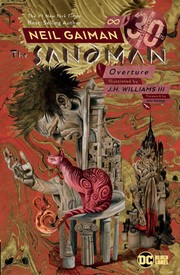
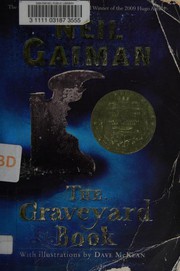
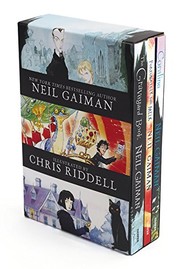
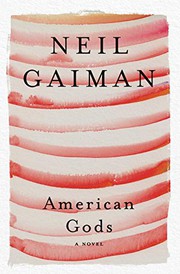
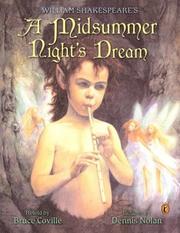
Gaiman’s award history reflects both the breadth of his ambitions and the rare cross-genre recognition his work commands. His breakout novel American Gods swept nearly every major science fiction and fantasy award in 2002, establishing him as a master of modern mythmaking. Yet his willingness to explore children’s literature brought even greater formal honors: The Graveyard Book, his haunting novel of a boy raised by ghosts, won the Hugo Award in 2009 and became the first book by a writer best known for adult fiction to win the Newbery Medal. Coraline’s dual recognition across both the Locus and Nebula Awards demonstrated his particular gift for stories that work on multiple levels, equally unsettling to teenagers and adults. From his early “A Midsummer Night’s Dream” victory through his 2016 Hugo recognition for The Sandman: Overture, Gaiman’s shelf of awards traces a career defined by restlessness—a refusal to remain in a single genre or audience, yet an unmistakable voice present across all his work.