Norman Mailer
Norman Mailer stands as one of the most consequential and controversial figures in American letters, a writer whose ambitions consistently pushed the boundaries of what literature could do and say. His career was marked by a restless formal inventiveness and an outsized personality that made him as much a public intellectual as a novelist. Whether tackling politics, history, or the American psyche itself, Mailer brought a combative energy to his work, blending reportage with philosophical inquiry and personal narrative in ways that influenced generations of writers who followed.
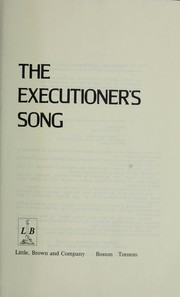
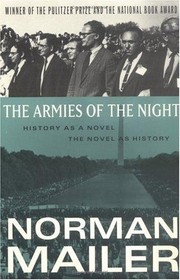
Mailer’s award recognition reflects the remarkable range of his achievement across genres. He won the Pulitzer Prize for General Nonfiction in 1969 for The Armies of the Night, his searing account of the 1967 march on the Pentagon, a work that helped define the New Journalism movement by collapsing the distance between witness and narrator. A decade later, he claimed the Pulitzer Prize for Fiction in 1980 with The Executioner’s Song, an ambitious true-crime novel about the execution of Gary Gilmore that demonstrated his ability to wield the novelist’s tools to illuminate the darkest corners of American culture. This dual recognition across nonfiction and fiction speaks to Mailer’s fundamental refusal to be confined by genre—he saw all writing as an arena where ideas and style could grapple with the profound questions of his era.