Octavia E. Butler
Octavia E. Butler stands as one of speculative fiction’s most visionary voices, a writer who wielded science fiction not merely as entertainment but as a vehicle for exploring power, identity, and survival in ways that felt urgently contemporary. Her work transcended the genre’s traditional boundaries, blending hard scientific concepts with deeply humanistic concerns about race, sexuality, and social collapse. Butler’s influence on contemporary science fiction cannot be overstated—she opened doors for Black writers in a field that had historically excluded them, while simultaneously expanding what the genre itself could address.
Her early recognition came swiftly and decisively. In 1984 alone, Butler captured both the Hugo and Nebula Awards for her startling novelette “Bloodchild,” a story that remains one of the most taught and debated works in science fiction classrooms. That same year, she also won the Hugo for Best Short Story with “Speech Sounds,” demonstrating a remarkable range across different lengths and narrative modes. These weren’t consolation prizes or niche recognitions—they were the field’s highest honors, affirmed by both fan voting and professional juries.
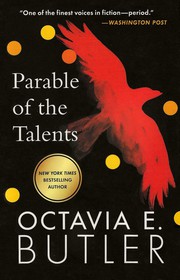
Butler’s later work only deepened her thematic ambitions. Her 1999 Nebula Award-winning novel Parable of the Talents saw her expanding the scope of her vision to near-dystopian America, crafting a narrative that felt prescient about economic collapse and social fracture. Across her career, whether writing intimate character studies or sprawling explorations of human evolution and transformation, Butler maintained an unflinching gaze at how power functions and how individuals navigate worlds rigged against them.