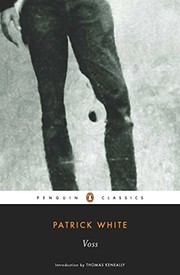
Patrick White
Patrick White stands as one of Australia’s most formidable literary voices, a novelist whose dense psychological depth and unflinching moral vision earned him the Nobel Prize in Literature in 1973. His work is characterized by a searching examination of the human condition, often set against the Australian landscape, which he transforms into something far more than mere backdrop—a crucible for spiritual and existential reckoning. White’s prose style is distinctive and demanding, layered with symbolic richness and interior monologue that requires active engagement from readers willing to follow him into the darker corners of his characters’ consciousness.
His breakthrough novel Voss, which won the Miles Franklin Award in 1957, exemplifies White’s literary preoccupations at their most compelling. The novel, following an obsessive expedition into the Australian interior, becomes a profound meditation on ambition, spirituality, and the limits of human connection. The recognition White received for Voss marked a turning point in his career, establishing him as more than a regional Australian writer and signaling to the international literary community that Australia had produced a novelist of genuine stature. This cross-continental recognition would continue throughout his career, cementing his reputation as an uncompromising artist whose work transcends its national origins while remaining rooted in Australian experience.