Paul Fussell
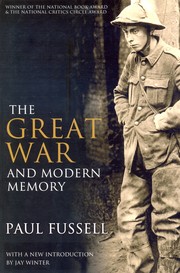
Paul Fussell stands as one of the most incisive cultural critics of the twentieth century, a writer equally at home dissecting the literary reverberations of World War I or the unspoken codes of American class. His 1975 National Book Critics Circle Award for The Great War and Modern Memory cemented a reputation he’d been building throughout the 1970s: that of a scholar who could move fluidly between historical analysis, literary interpretation, and social commentary without sacrificing depth or readability. The book itself became foundational to how we understand the war’s impact on modernist literature and consciousness, tracing how the conflict fundamentally rewired how writers—and by extension, all of us—process trauma and meaning.
What distinguishes Fussell’s work is his conviction that culture, language, and history are inseparably bound. He writes with the precision of someone trained in close reading yet refuses to remain locked in the academy; his criticism reaches for the particular detail—a soldier’s diary entry, a poet’s word choice, a social ritual—and unfolds it to reveal larger truths about how we construct meaning. His ear for irony and his willingness to take unfashionable positions make his prose distinctive and often startling. Whether examining the rhetoric of war, the absurdities of class pretension, or the decline of literacy and manners, Fussell brings a moral seriousness to cultural criticism that reminds us these questions matter because they shape how we live.