Paul Horgan
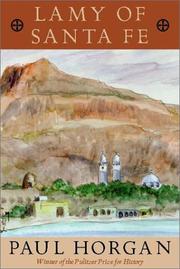
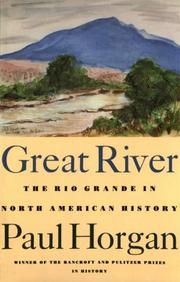
Paul Horgan stands as a rare literary figure whose deep engagement with American history earned him two Pulitzer Prizes for History, a distinction that speaks to both his scholarly rigor and his gift for narrative that transcends academic convention. His magnum opus, Great River: The Rio Grande in North American History, won the Pulitzer in 1955 and remains a towering achievement in environmental and regional history—a work that treats a river system as a living character through which to explore centuries of cultural encounter, settlement, and transformation across the American West. More than two decades later, Horgan returned to the Pulitzer stage with Lamy of Santa Fe, a biographical work that showcased his ability to resurrect historical figures with psychological depth and dramatic complexity, demonstrating that his first prize was no singular triumph but evidence of a sustained mastery of the historical form.
What distinguishes Horgan’s approach is his fusion of the novelist’s sensibility with the historian’s fidelity to fact. His recurring concern with the American Southwest, particularly New Mexico, reflects a lifelong fascination with how geography shapes culture and character. Whether chronicling the sweep of centuries along a major river or capturing the interior life of a nineteenth-century archbishop navigating faith and frontier politics, Horgan understood that the most compelling histories are those that recognize human complexity within larger historical currents. His dual recognition by the Pulitzer committee underscores a singular achievement: the creation of historical literature that satisfies both scholarly standards and the hunger for narrative meaning that draws readers to great writing.