Pearl S. Buck
Pearl S. Buck stands as one of the most widely read American authors of the twentieth century, a writer whose deep immersion in Chinese culture gave her fiction a rare authenticity that captivated readers across continents. Born in West Virginia but raised in China, where her missionary parents had settled, Buck drew on decades of lived experience to craft narratives that brought the Chinese landscape and its people vividly to life for Western audiences. Her distinctive prose style—clear, unflinching, and marked by an almost biblical simplicity—made complex human dramas feel universally resonant, whether depicting the struggles of peasant farmers or the inner lives of women navigating tradition and change.
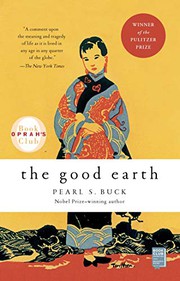
Buck’s masterwork, The Good Earth, became a phenomenon upon its 1931 publication, earning her the Pulitzer Prize for Fiction in 1932 and establishing her as a major literary voice. The novel’s sweeping portrayal of Wang Lung’s rise from poverty to wealth, set against the backdrop of rural China, struck readers as both an intimate family saga and an epic meditation on ambition, morality, and the human condition. This recognition was remarkable for its era—Buck was only the fourth woman to win the Pulitzer Prize, and her award validated the serious literary merit of what many had dismissed as merely popular fiction. Her ability to write with such grace about ordinary lives and moral complexity would continue to define her prolific career, cementing her place as a bridge between Eastern and Western literary traditions.