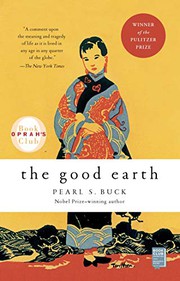
Pearl S. Buck
Pearl S. Buck stands as one of the most internationally celebrated American authors of the twentieth century, a writer whose work transcended national boundaries and fundamentally shaped how Western readers understood China. Born in West Virginia but raised in China by missionary parents, Buck drew on her bicultural upbringing to create fiction of extraordinary depth and authenticity. Her novels possessed a rare combination of intimate human drama and sweeping historical scope, grounded in meticulous observation and genuine affection for the Chinese people and landscape she knew so intimately.
Buck’s masterpiece, The Good Earth, earned the Pulitzer Prize for Novel in 1932 and introduced millions of readers to the life of Wang Lung, a Chinese farmer whose struggle against poverty, desire, and fate resonates with timeless human truth. The novel’s success was unprecedented for a work so thoroughly centered on Chinese rural life, and it established Buck as a major literary voice. Six years later, her body of work received the ultimate international validation when she became the first American woman to win the Nobel Prize in Literature, an honor that recognized not just individual brilliance but her singular achievement in bridging Eastern and Western cultures through prose of unflinching realism and profound empathy.
Throughout her prolific career, Buck remained committed to exploring themes of family obligation, land and belonging, and the collision between traditional and modern worlds. Her characters—whether Chinese peasants, American missionaries, or Eurasian outcasts—were rendered with psychological complexity and moral nuance that challenged her readers’ assumptions while inviting them into fully realized inner lives. In an era when Asian characters were often peripheral or exotic in Western literature, Buck’s insistence on centering Chinese consciousness and dignity was quietly revolutionary.