Peter Carey
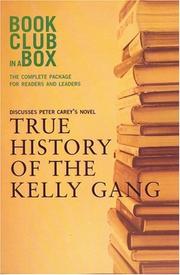
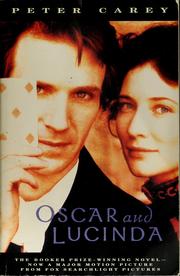
Peter Carey stands as one of the few authors to claim the Booker Prize twice, a distinction that speaks to both his technical mastery and his singular vision. His debut collection of stories established him as a major voice in contemporary fiction, but it was Oscar and Lucinda that announced his arrival as a major force—a sprawling, imaginative novel that won the Booker Prize in 1988 and introduced readers to his gift for weaving together the personal and the historical across vast geographical and temporal distances. More than a decade later, he proved his first win was no fluke with True History of the Kelly Gang, which captured the prize again in 2001 and cemented his status as one of the English language’s most inventive novelists.
Carey’s work is characterized by a restless formal ambition and a fascination with outsiders, misfits, and those who operate at the margins of respectability. His prose style ranges from the baroque and densely layered to the disarmingly direct, often within a single narrative. Across his novels, he returns obsessively to questions of identity, belonging, and the stories we tell ourselves about our pasts—whether personal or national. His Australian roots inform much of his sensibility, yet his imagination knows no geographical bounds; he moves fluidly between continents and centuries, always in pursuit of the contradictions that make human experience so endlessly surprising.