Philip José Farmer
Philip José Farmer stands as one of science fiction’s most prolific and imaginative architects, a writer whose career spanned seven decades and reshaped the genre’s possibilities. With a background in English literature and an insatiable curiosity about the human condition, Farmer built a reputation for taking speculative premises to their logical—and often audacious—extremes. His willingness to explore taboo subjects and philosophical complexities set him apart from many of his contemporaries, earning him recognition as a pioneering voice in literary science fiction.
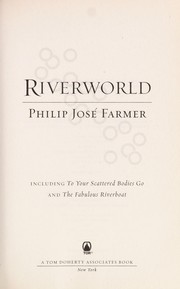
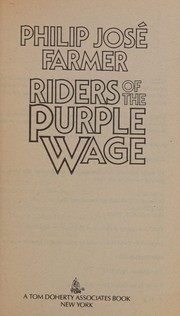
Farmer’s mastery of both sweeping epic narratives and intimate character studies earned him major recognition from the science fiction community. His Hugo Award–winning novella “Riders of the Purple Wage” (1968) exemplified his ability to blend social satire with imaginative world-building, while his novel “To Your Scattered Bodies Go” (1972) won the Hugo for Best Novel and launched one of science fiction’s most ambitious concepts: the Riverworld series. This monumental work, which imagined every human who ever lived resurrected along a mysterious planet-spanning river, became a defining achievement and showcased Farmer’s gift for philosophical speculation wrapped in compulsive narrative momentum.
Across his vast body of work, Farmer returned obsessively to questions of identity, immortality, and the nature of human civilization. Whether exploring alternate histories, far-future societies, or humanity’s place in a crowded cosmos, he maintained an unflinching commitment to intellectual rigor and emotional honesty that influenced generations of writers who followed.