Philip K. Dick
Philip K. Dick stands as one of science fiction’s most philosophically daring voices, a writer who weaponized the genre’s speculative possibilities to interrogate the nature of reality itself. Working across novels and short stories from the 1950s onward, Dick crafted intricate narratives populated by ordinary people confronting extraordinary metaphysical crises—situations where perception becomes unreliable, identity fractures, and the boundary between authentic and artificial experience collapses. His prose style, energetic and paranoid by turns, pulls readers into the disorienting perspectives of protagonists who can never quite trust their own minds or the worlds they inhabit.
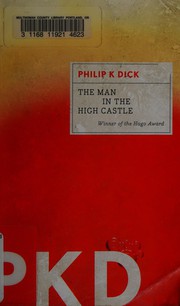
His 1963 Hugo Award win for The Man in the High Castle cemented Dick’s reputation as a major imaginative force at a pivotal moment in science fiction’s evolution. The novel presents an alternate history where the Axis powers won World War II, yet Dick’s true concern lies deeper than geopolitical speculation—he explores how people construct meaning and preserve humanity under totalitarian systems, and questions whether any version of history can be considered more “real” than another. This preoccupation with subjective reality and institutional deception became the hallmark of Dick’s entire body of work, influencing generations of writers and filmmakers who would adapt his stories for the screen. His legacy rests on his singular ability to make abstract philosophical problems thrillingly concrete and urgently human.