Philip Levine
Philip Levine stands as one of contemporary American poetry’s most essential voices, a writer whose unflinching attention to working-class life and industrial landscapes elevated the everyday into art of lasting consequence. His career, spanning decades of prolific output, has been marked by a distinctive commitment to dignity—the dignity of factory workers, the undocumented, the forgotten—rendered through a deceptively straightforward style that conceals remarkable technical sophistication. Levine’s poems move with the cadence of lived experience, anchored in his years working industrial jobs in Detroit and his deep engagement with Spanish culture and language, creating a body of work that feels simultaneously personal and universal.
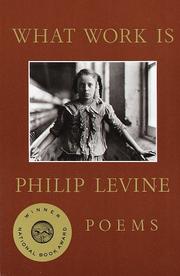
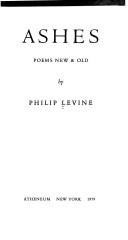
The major awards that have recognized Levine’s achievement trace both the depth and breadth of his influence. He won the National Book Critics Circle Award and the National Book Award in consecutive years for Ashes: Poems New and Old and 7 Years From Somewhere (1979–1980), establishing him as a major force in American poetry. A decade later, his collection What Work Is captured the 1991 National Book Award, cementing recognition of his continued vitality and relevance. His 1995 Pulitzer Prize for Poetry, awarded for The Simple Truth, represented the pinnacle of his accolades and affirmed what readers had long known: that Levine’s compassionate attention to ordinary lives and his masterful command of language made him indispensable to understanding contemporary American poetry.
-
The Simple Truth
-
-
-
Ashes: Poems New and Old and 7 Years From Somewhere