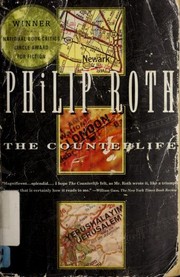
Philip Roth
Philip Roth stands as one of America’s most celebrated and prolific novelists, a writer whose fearless exploration of Jewish-American identity, sexuality, and the moral complexities of contemporary life fundamentally reshaped the landscape of twentieth-century fiction. His prose combines philosophical ambition with narrative innovation—he moves fluidly between realism and metafictional play, often blurring the line between autobiography and invention in ways that challenge readers to question the nature of truth itself. Roth’s recurring preoccupations with desire, mortality, and the gap between our public personas and private selves give his work a distinctive psychological depth that has earned him recognition across multiple genres and award bodies.
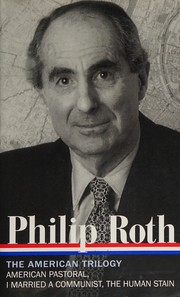
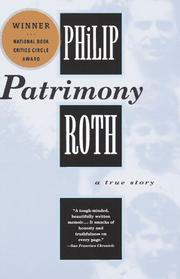
The breadth of Roth’s acclaim speaks to his versatility and enduring significance. His awards tally includes three separate National Book Critics Circle Awards—for The Counterlife, and for Patrimony: A True Story, which remarkably won in both the Biography and Autobiography categories—alongside three PEN/Faulkner Awards for Operation Shylock, The Human Stain, and Everyman. His Pulitzer Prize win for American Pastoral in 1998 capped a period of extraordinary productivity in which he produced some of his most ambitious works, novels that grapple with nothing less than the American experiment itself. This pattern of cross-award recognition is unusual and reflects a rare literary achievement: Roth’s work appeals equally to critics of literary fiction, students of American letters, and readers drawn to the deeply human conflicts at the heart of his novels.