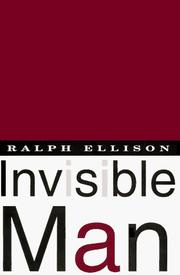
Ralph Ellison
Ralph Ellison stands as one of the most significant voices in American literature, a writer whose singular masterpiece reshaped the landscape of twentieth-century fiction. Invisible Man, his 1952 debut novel, won the National Book Award in 1953 and announced the arrival of a major literary talent—one whose exploration of Black identity in post-war America was simultaneously intimate and sprawling, darkly comic and profoundly serious. The novel’s unnamed narrator and his journey through the underworld of New York became an icon of existential American literature, a work that refused easy categorization and demanded readers confront the paradoxes of race, visibility, and selfhood in the nation’s mythology.
What distinguishes Ellison’s achievement is his refusal to be confined by any single literary tradition or political agenda. His prose style draws from the vernacular rhythms of African American speech, modernist experimentation, and the picaresque novel, creating something entirely his own. Invisible Man pulses with surrealism, blues sensibility, and classical allusion, weaving together folk wisdom and high art in ways that challenged the hierarchies of literary taste. Though Ellison would write sparingly after his debut—his second novel, Juneteenth, was published posthumously—his influence on American letters has only deepened, establishing him as a foundational figure whose work continues to shape how writers approach questions of identity, visibility, and the American experience.